



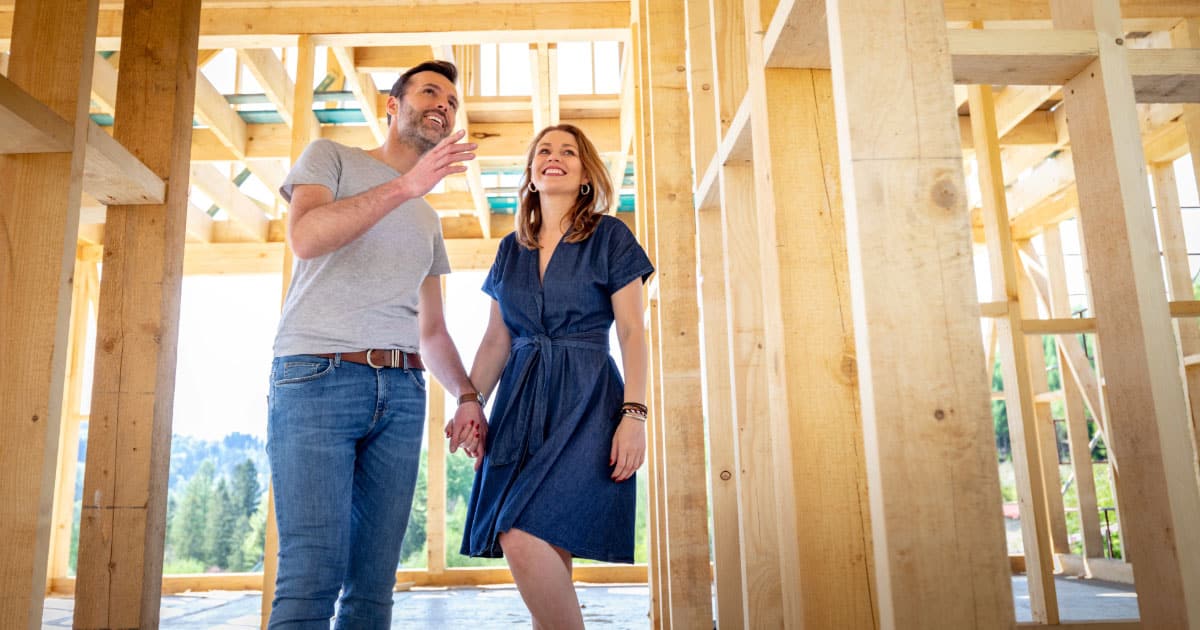
Guide to Home Additions in Flagstaff & the Verde Valley
More and more homeowners looking for extra space are contemplating adding on, rather than relocating from a community they already enjoy. With the increase in property value, selling and buying are less desirable. For many, this, along with lifestyle changes — such as a growing family or a newly acquired remote job — makes adding on a better choice than moving away.
Outlook Construction & Remodeling specializes in home additions in Flagstaff and the Verde Valley. In this article, we aim to educate readers on the benefits and challenges of adding on to their properties. Specifically, we discuss issues and solutions for folks living in Flagstaff, Cottonwood, Cornville, Camp Verde, Clarkdale, and other parts of Northern Arizona and the Verde Valley.
As always, we want to hear from you. So if you have questions about home additions, ADUs, or any other residential construction project, please reach out to our team directly. Otherwise, continue reading to learn more about home addition considerations for Arizona.
Home Additions Begin With the Right Considerations & Plan

The first and most crucial step in any addition is design planning. A thorough plan can alleviate structural problems, budget problems, and permit problems.
Homeowners should, regardless of where they are located, reach out to professionals when it comes to designing their add-on.
When working with local contractors, you get local experience, like with our team, who is knowledgeable in Northern Arizona and Verde Valley building codes and requirements, best practices based on weather and geology, and other insights that an out-of-area builder may not be privy to.
As you know, each square foot must comply with safety and energy efficiency standards. Each city and town has its own variations of these codes. Proper planning also helps with proper budgeting for your project. A good plan includes setting tangible goals and assurance that your addition is built properly, on time, and adds value to your property.
Topography and soil conditions are important matters to address before building or adding an addition. Flagstaff has significant rocky soil and steep terrain, often requiring excavation or reinforcement. Conversely, Verde Valley has significant clay soil, which can swell and shift.
Zoning and HOA rules can limit how large or tall an addition can be. In some neighborhoods, there are restrictions on the height and size of an accessory dwelling unit (ADU) for the express purpose of protecting views or to ensure that homes in neighborhoods are aesthetically uniform.
It’s your contractor’s job to review local ordinances and the homeowners association’s design standards before beginning any work. Knowing exactly where property lines are, whether easements exist, and what design limits apply makes the building process much easier, reduces disputes, and ensures construction stays on schedule.
Northern Arizona & Verde Valley Construction & Climate

Snow, rain, and heat all challenge the durability of a home.
In Flagstaff, builders must design for snow loads, ice dams, and freeze-thaw cycles that can adversely affect roofs and walls. Builders must design framing, waterproofing, and ventilation to keep moisture levels low, and therefore minimize future damage.
In the Verde Valley, heat and flash flooding require builders to approach the construction site differently. Builders must consider grading, gutter systems, and select weather-resistant materials that minimize expansion and cracking.
Insulation and moisture are large factors in comfort and efficiency in both regions. We often design add-ons with high-quality insulation, vapor barriers, and energy-efficient windows to improve heating and cooling efficiency at all times of the year.
Proper ventilation helps control mold and ice in colder months. You can trust that our design team will help you choose the right materials, allowing you to stay comfortable year-round.
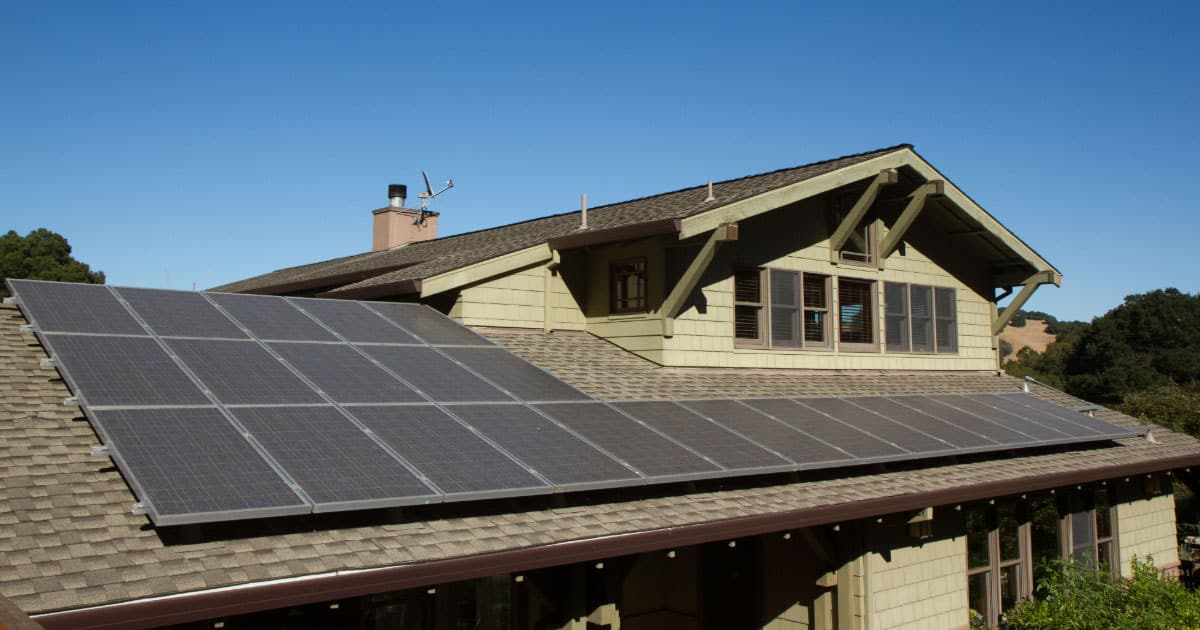
Sustainability is yet another key consideration in modern residential construction. Many homeowners embrace energy-efficient improvements to their properties. These upgrades can include radiant barriers, low-E glass, or high-performance heating and cooling systems to improve comfort and lower monthly costs. Many clients are opting for solar panels and other energy-saving roofing materials, which offer a return on investment for years to come.
Home Addition Cost Control & Efficiency
The costs associated with home additions vary based on multiple factors, including excavation, framing, electrical, plumbing, and finishes.
In Northern Arizona, some additional costs often can be attributed to the weather and the landscape. For example, when building in Flagstaff and working in its rocky soil, special equipment may be required, and when working in the flood zones within the Verde Valley, additional drainage may be necessary.
Understanding where your investment goes allows you to plan better and avoid surprises in your budget or timeline.
As you create your budget, it’s advisable to create a contingency for unexpected expenses or issues during construction. Many clients are surprised by how quickly expenses can add up, so adding 10 to 15 percent of the total budgeted expense helps cover issues or hidden repairs caused by weather.
Phasing larger home addition projects is a smart way to spread out expenses without sacrificing quality.
Additionally, if there are any local and state programs providing incentives or tax credits for energy improvements, such as solar panels, better insulation, or high-efficiency HVAC improvements, we’ll be sure to inform you.
If approved for any government-sponsored programs, there may be rebates or other incentives available for other planned improvements made to a property or a home, so it’s good to seek these opportunities prior to construction if your goal is to save costs and add value during an intended sale of the property and home.
Safety, Permits, & Construction Inspections

Every home expansion needs proper permits before construction can break ground. Flagstaff and Yavapai County have their own respective regulations related to the dimensions, height, and safety of structures. Skipping permits can lead to fines and removal of unapproved construction.
Inspections, often conducted during different stages of construction, need to take place to ensure that the completed work meets building codes. Inspections are a necessary part of the construction process, including electrical, plumbing, and structural work, to ensure that the work meets any safety standards.
Should your contractor skip the inspections, it could lead to rework, which then adds delays, possibly fines, and eats into your budget. Inspections also help protect homeowners from legal or insurance issues in the future.
Contractor licensing and insurance are requirements that will help keep construction on track. Always hire a contractor that has a license through the Arizona Registrar of Contractors and is in good standing (just like us).
Licenses on file can protect clients from unlicensed and uninsured contractors. Licensed contractors require inspections before progress can continue, as we understand the importance of protecting the homeowner’s investment.
Always ask for a copy of your contractor’s insurance. Insurance protects against injuries on the job or property damage. If the contractor is legitimate, they won’t have a problem providing you with this information.
Flagstaff-Specific Home Addition Concerns

The significant snow often experienced in Flagstaff can increase the strain on roofs, decks, and foundations. Builders are obligated to plan for snow loads and create roofs that have the proper slope for drainage.
Ice dams may develop in roof systems when insulation and ventilation are insufficient, whether in the roof or framing systems, resulting in leaks or rot. Snow-rated roofing materials and maintaining the superior structural stability of framing will help eliminate any of these costly occurrences.
The relatively short construction season in Flagstaff may also complicate scheduling and construction. If the temperatures are too cold, concrete may not cure properly; hence, most projects will need to take place during warmer months.
When summers are busy enough to attract skilled labor from different regions to Flagstaff, labor costs may increase, and planning for construction may take longer, depending on the company you hire. Planning earlier in the year may help you secure the best quality contractors and avoid delays from scheduling.
Fire safety awareness is growing in our mountain communities. Each community within a certain perimeter has strict Firewise guidelines. Given our proximity to National Forests and wildlands, special attention should be given to maintaining a defensible space around your property, utilizing non-combustible siding materials, and ember-proof vents. In addition to these measures being a way to reduce your risk, they may also provide a discount through your insurance company.
Energy efficiency is another main priority. With current homes in Flagstaff, proper insulation, high-energy-efficient double-paned windows, and sealed ductwork are recommended to withstand the elements.
These measures save heating energy efficiently by conserving heated air flow into the conditioned space. The best way to improve energy efficiency is by purchasing high-efficiency materials that increase comfort and reduce heating costs.
Verde Valley-Specific Home Addition Concerns
The heat and monsoon rains of the Verde Valley need sensible design considerations. Added structures should include suitable shading, overhangs, and insulated roofs to mitigate the effects of elevated summer temperatures.
Properly graded sites keep stormwater away from foundations, thereby helping to diminish flooding potential. In some cases, specifically in areas prone to flooding, drainage channels or dry wells may be required.
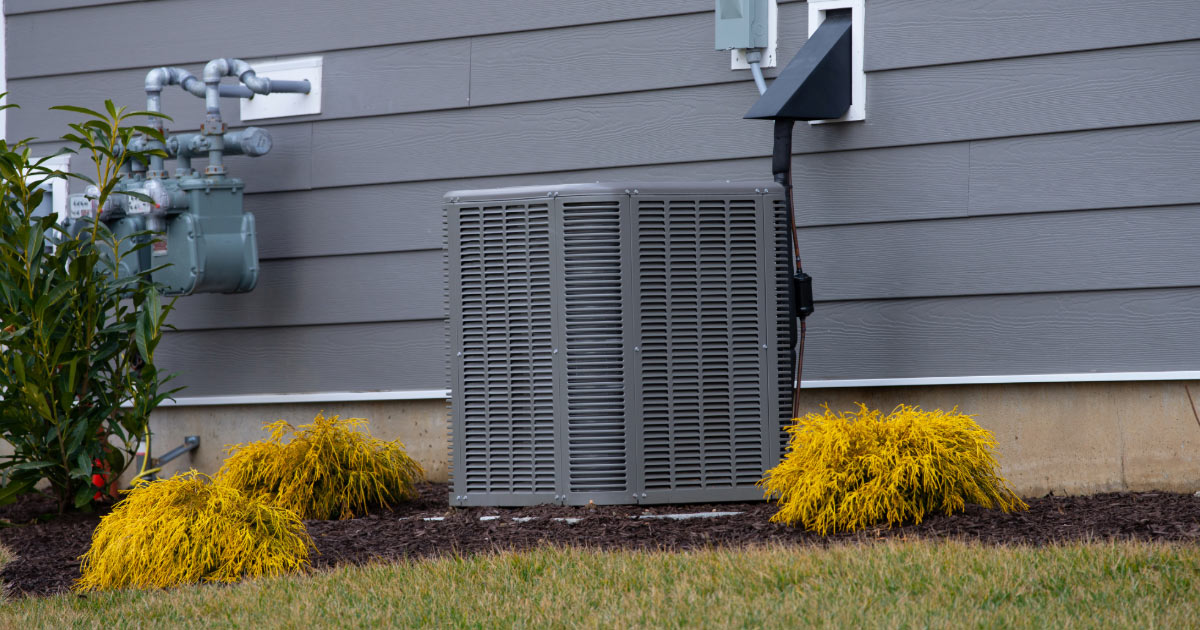
Reflective roofing, other shade structures, and cross-ventilation help interiors stay naturally cool and decrease the need for air conditioning. Good insulation and properly ventilated attics also help prevent excessive load on air conditioning units.
Cracking in stucco is common with rapid shifts in temperatures and shifting soils. Inclusion of flexible, more durable materials can reduce cracking and help maintain exterior finishes. Green products that perform well with thawing during thermal expansion also help reduce long-term maintenance.
Some additional trends in the Verde Valley design include solar power to provide energy as well as water-efficient landscapes. Solar panels offset cooling expenses. Water-efficient landscaping with drip irrigation and native plants offsets landscape water usage and also improves cooling efficiency.
Landscape and structural changes are not only curb-appealing upgrades, they also help improve resilience when living through hot, dry times of year.
Build With Outlook, Build for the Long Term!

A good home addition should resemble and feel like part of the original structure. Similarities can be achieved through matching materials, a common roofline, and proportional reference to the home. The ultimate goal is to make your property more functional and appealing.
If you’re a Northern Arizona or Verde Valley resident in the market to add more square footage to your home, whether for an expanding family, taking in a loved one, or to make working from home more accessible, Outlook Construction & Remodeling wants to help bring your dream home to life!
Please reach out today for a free consultation. Tell our design team what you have in mind and allow us to present a stunning, inviting, and functional solution you’re going to love. It all starts with a call. Click here to begin!


