

Types of ADUs Allowed in Flagstaff and How to Choose the Right Kind for Your Property
Accessory dwelling units (ADUs) have become one of the most practical ways to add living space here in Northern Arizona. Whether it’s aging parents, returning college students, long-term rental income, or simply creating flexibility for the future, more homeowners are asking about building an ADU in Flagstaff.
At Outlook Construction & Remodeling, we approach ADUs the same way we approach any addition. We start with function, structure, and long-term durability. Flagstaff’s zoning rules, freeze-thaw cycles, snow loads, and lot constraints all influence what type of ADU makes sense. Before you start sketching ideas, it helps to understand what’s actually allowed and which option fits your property.
If you’re early in the process, you may also want to read our guide to home additions in Northern Arizona:
Guide to Home Additions in Northern Arizona
And if you’re still weighing whether an ADU makes sense at all, this overview is a helpful starting point:
How to Add an ADU to Your Property
Understanding ADU Rules in Flagstaff
Before we talk about design, we need to talk about zoning. Flagstaff zoning ADU regulations determine whether you can build one, how large it can be, and where it can sit on your lot.
In most residential zones, Flagstaff allows one accessory dwelling unit per lot, provided the property meets minimum size and setback requirements. The ADU must remain secondary to the primary home, and there are limits on square footage relative to the main structure. Parking, height limits, and utility connections also come into play.
Because we’re building at 7,000 feet, there’s another layer to consider. Snow load requirements, foundation depth for frost protection, and proper insulation all affect the engineering. An ADU in Flagstaff isn’t just a small house. It’s a fully permitted dwelling that has to meet current code standards.
That’s why working with a Flagstaff contractor who understands both zoning and climate realities makes the process much smoother. We handle permit coordination and code compliance so you’re not navigating city departments on your own.
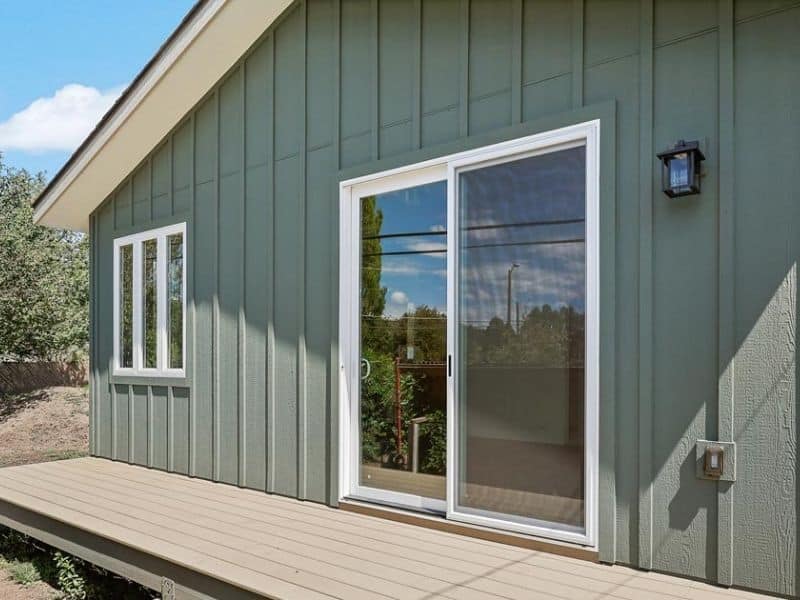
Photo Courtesy of Outlook Construction & Remodeling
Detached ADUs: The Stand-Alone Option
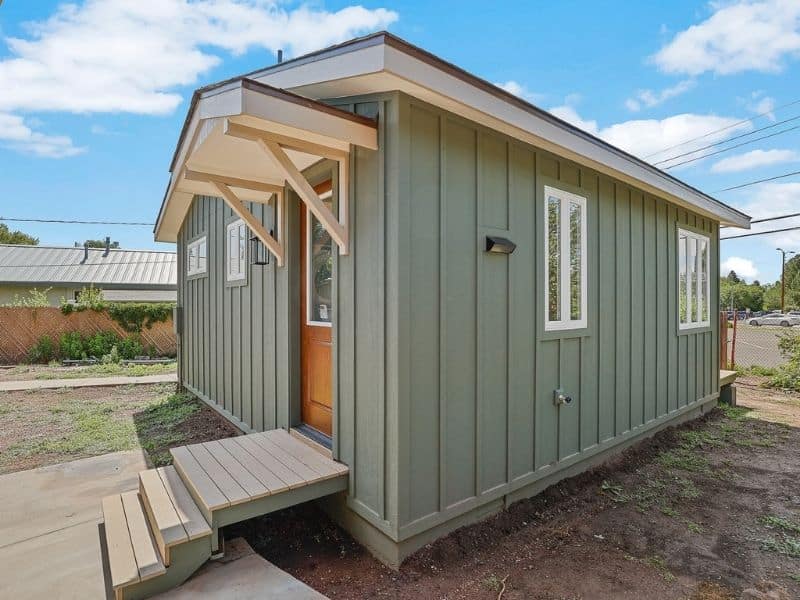
A detached ADU is exactly what it sounds like. It’s a separate structure built somewhere on your property, often in the backyard.
When a Detached ADU Makes Sense
Detached units are popular for homeowners who want privacy between the main home and the new living space. This can work well for long-term rentals or multigenerational living where everyone appreciates a bit of breathing room.
If your lot has adequate depth and access, a detached ADU often feels the most flexible. It functions like a small home, with its own entrance, kitchen, bathroom, and living area.
Things to Think About in Flagstaff
In Flagstaff, detached ADUs require careful site planning. We look at snow-shedding patterns from the main roof, drainage during the monsoon season, and how utilities will be extended. Trenching for water and sewer lines in rocky soil can affect the overall budget.
There are also setback requirements that limit how close you can build to property lines. On narrower lots, that can significantly shape the footprint.
Detached ADUs offer independence, but they require enough usable land and thoughtful engineering to make them comfortable year-round.
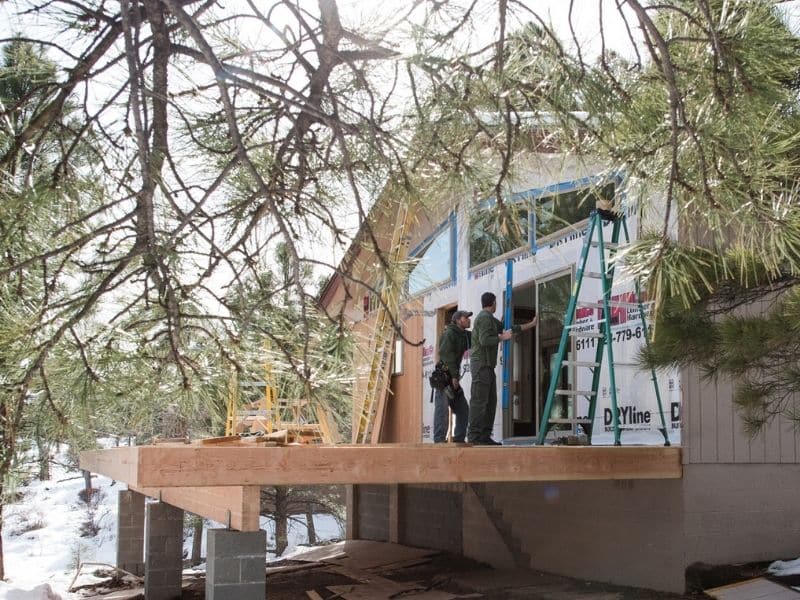
Photo Courtesy of Outlook Construction & Remodeling
Attached ADUs: Expanding the Existing Structure
An attached ADU shares at least one wall with the primary residence. In some cases, it’s built as a side or rear addition. In others, it’s created by converting an existing wing of the home.
When an Attached ADU Works Well
For homeowners who don’t have the lot space for a separate building, an attached ADU can be a practical solution. It allows you to expand your living area while staying within zoning constraints.
Attached units often cost less in terms of utility connections because plumbing and electrical runs are closer to the main systems. They also tend to blend architecturally with the original structure.
Structural Considerations
In older Flagstaff neighborhoods, we always evaluate the existing framing before adding onto it. We’re looking at joists, ledger boards, foundation integrity, and how the addition will tie into the current roofline.
Freeze-thaw cycles and heavy snow loads mean structural integrity isn’t optional. It has to be engineered correctly from the start. An attached ADU should feel seamless, not like an afterthought.
Garage Conversion ADUs: Reusing What You Already Have
Another common ADU Flagstaff option is converting an existing garage into a livable dwelling.
Why Homeowners Consider This Option
Garage conversions can make sense if the structure is in good condition and meets zoning requirements. The shell is already there, which can reduce framing costs. For properties where backyard space is limited, this approach can be more feasible than new construction.
What Needs to Be Evaluated
Garages in Northern Arizona weren’t originally built for full-time living. They often lack proper insulation, moisture control, and adequate foundation depth for habitable space.
We typically upgrade insulation, reinforce flooring systems, and address ventilation to ensure the space handles seasonal moisture and temperature swings. Windows, natural light, and ceiling height also have to meet code.
A garage conversion can work well, but only if the structure supports it long-term.
Basement ADUs: Making Use of Existing Square Footage
Some Flagstaff homes, particularly those built into slopes, have partial or full basements. Converting that space into an ADU is another path worth considering.
Benefits of a Basement ADU
Because the structure already exists, you’re not expanding the building footprint. That can simplify zoning conversations in certain cases. Basements also benefit from natural insulation provided by the surrounding soil, which can help with energy efficiency.
Challenges to Address
The key concerns are egress, ceiling height, and moisture management. Every sleeping space must have proper emergency exit access. We also assess drainage systems carefully. Snowmelt and monsoon rains can create hydrostatic pressure against foundation walls if not managed correctly.
Basement ADUs can feel comfortable and private, but they require detailed planning.
Choosing the Right Type of ADU for Your Property
When homeowners ask us which of the types of ADUs is best, the honest answer is that it depends on three things.
First, your lot size and zoning. Not every property can support a detached unit, and setback rules matter.
Second, your long-term goal. Are you planning for rental income, multigenerational living, or future flexibility? Privacy needs and accessibility often guide the decision.
Third, your existing home’s structure. Sometimes the smartest investment is expanding what you already have instead of starting from scratch.
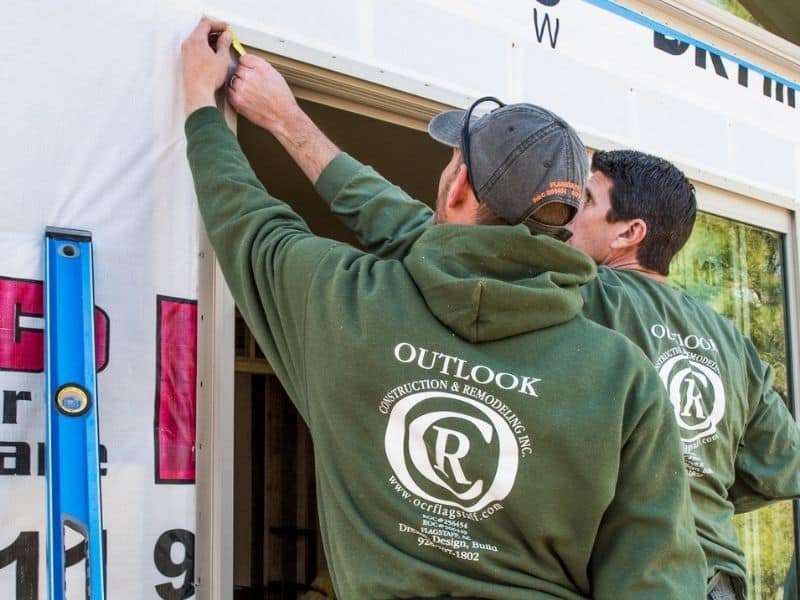
Photo Courtesy of Outlook Construction & Remodeling
Get the Ball Rolling with a Trusted Flagstaff Contractor
At Outlook Construction & Remodeling, we walk through all of this with you. We look at your property, review Flagstaff zoning ADU regulations, and talk through what’s realistic. Our goal isn’t to push one option over another. It’s to design something that fits your home and stands up to Northern Arizona’s environment.
You can view examples of our additions and build projects here:
If you’re ready to talk through your property specifically, reach out to set up a consultation!